What should I have ready when I call?
Start with the physical property address and a short description: where water appears, when it began or which bill period changed. Then explain who can allow entry and approve work.
A useful first description
Tell us what is visible and what is only suspected. “The cabinet base is damp after the sink is used” is more useful than guessing at a pipe behind the wall. “The water use increased during this billing period” is more useful than the bill total alone.
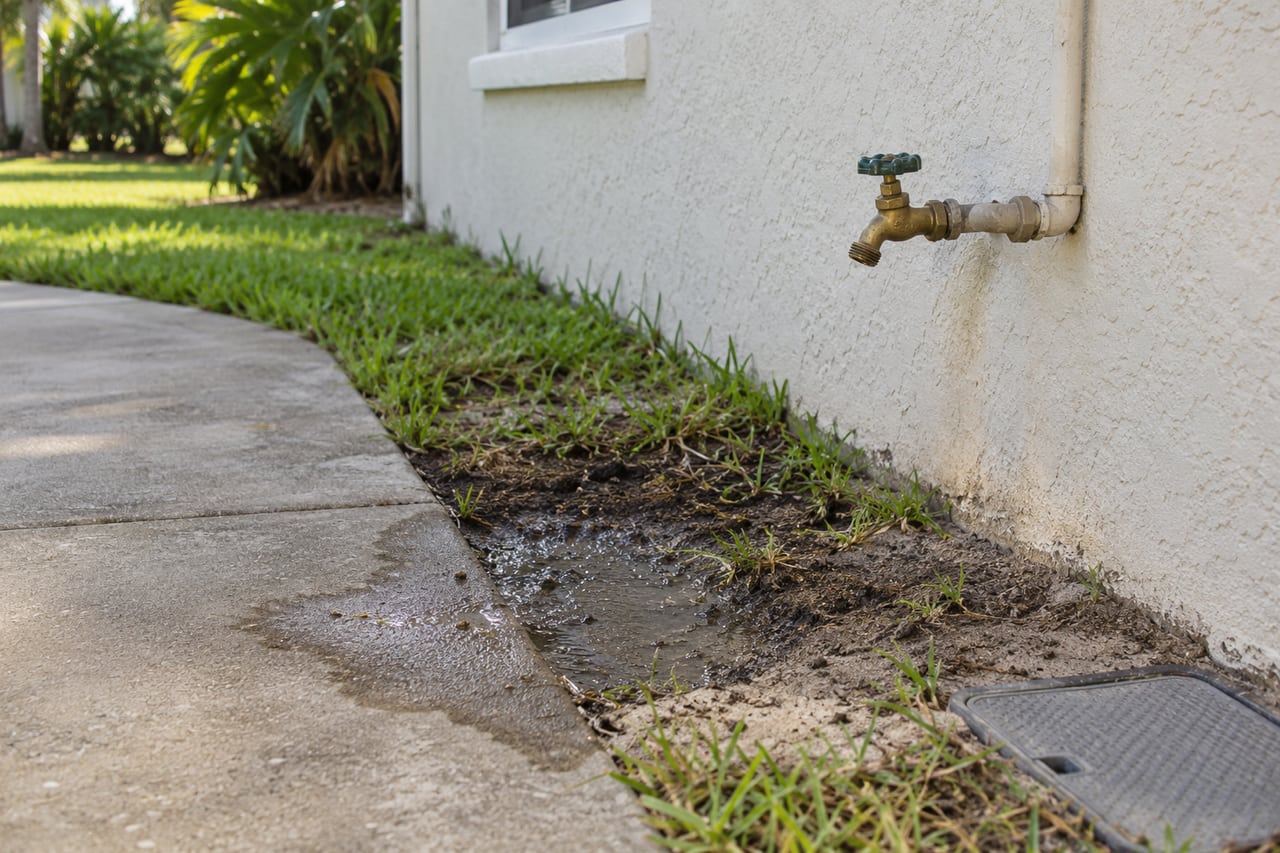
For an apartment, condo or rented home, include the unit number and who manages the property. For an outdoor concern, say whether the supply is utility water, a well or unknown. You do not need to send passwords, utility account access or identity documents to explain the concern.
Confirm the visit before agreeing to work
Ask what type of inspection is available for the address, what it may cost and what is included. Check the proposed time directly. A phone inquiry does not reserve an appointment or authorize repair.
If the visit may require entry to a neighboring unit, opening a finish or using a shared shutoff, establish who can approve it. Ask how any extra work would be agreed before it begins.
- Is the suspected system included?
- Is this diagnosis only, repair, or both?
- What access and permission are required?
- What charges and cancellation terms apply?
When another contact comes first
For immediate danger, leave the affected area and call emergency services. For a suspected utility main or a problem at utility equipment, use the responsible utility’s reporting route. FPUA publishes instructions for water-line concerns on its customer guidance page.
Do not wait for a private inspection appointment before reporting an active hazard. Keep the household and anyone arranging access informed about unsafe areas.